“Tanzania Garden” search results (300)

Introduction of Tanzania Coffee Manor
Kilimanjaro Coffee Manor: Total =? 90% small Farmers 10% Plantation Harvest season: October to February of the following year Coffee Practitioners: 270000 people, treatment: AA (14%) A (24%) the lowest grade is HP, produced at low elevations, with many defective beans. Shade planting: mixed planting of coffee and banana to grow in the shade of a banana tree.
2016-06-13 Tanzania coffee manor introduction
Taste mellow Tanzania boutique coffee beans introduced Kilimanjaro coffee flavor manor
The northern coffee is full of aroma, bright acidity, mellow taste, and thanks to the rich volcanic soil, it has the sweetness of mineral water. Southern coffees are characteristically medium body and fine acidity with good fruity and floral aromatic
2016-07-30 Taste thick Tanzania boutique coffee beans introduction Kili Mazar Luo coffee
Overview of Tanzania beans and three major planting areas
When Pangu came out, in 1898, bourbon coffee was introduced by Catholic priests to the Kilimanjaro region of Tanzania. Then the Kent species was introduced in 1920. Coffee species therefore, so far, coffee in Tanzania is also dominated by bourbon and Kent. 70% of the coffee variety Arabica is grown between 1000 and 2500 meters.
2016-06-01 Tanzania Overview planting region Pangu when it comes out
Rose summer coffee Ethiopian sun Yega Xuefei
The species of Geisha was discovered in the Rose Summer Forest of Ethiopia in 1931 and sent to the Coffee Institute in Kenya; it was introduced to Uganda and Tanzania in 1936, in Costa Rica in 1953, and Panama was introduced in the 1970s by Francesca of Dongba Seven Farm Garden. Mr. Serraxin got the seeds from CATIE, Costa Rica, and started growing roses.
2016-04-30 Rose Summer Coffee Ethiopia Sun Yega Sheffield Geisha
Coffee beans recommend organic coffee from Papua New Guinea
Organic coffee (Purosa Estate M10 JAS Organic) the seeds of coffee from Papua New Guinea were introduced from Jamaica, Kenya, Tanzania and other countries more than 70 years ago in the 1930s. Formal planned cultivation since the 1950s; the main producing areas are Groca and Madha in the central mountains.
2014-10-29 Coffee knowledge coffee bean recommendation Papua New Guinea organic coffee
"Star" Coffee Bean Rosa Coffee Fine Coffee Bean latest Information
The species of Geisha was discovered in the Rose Summer Forest of Ethiopia in 1931 and sent to the Coffee Institute in Kenya; it was introduced to Uganda and Tanzania in 1936, in Costa Rica in 1953, and Panama was introduced in the 1970s by Francesca of Dongba Seven Farm Garden. Mr. Serraxin got the seeds from CATIE in Costa Rica and started growing Rosa Coffee because
2015-12-17 Stars varieties coffee beans rose summer coffee boutique latest information Ge
Introduction to Arusha Coffee Manor
Tanzanian coffee has the excellent pedigree of the Middle Eastern non-washed bean family, bright acidity, rich and irritating flavor. There is no doubt that Kenyan coffee takes the lead in this family, but Tanzania has many advantages that are very similar to those of Kenya. Round beans are often specially selected and expensive, but sometimes they taste hairy.
2016-07-21 Tanzania coffee flavor taste characteristics introduction Arusha manor
Introduction to the characteristics of Tanzania boutique coffee beans introduction to the flavor of Tanzanian coffee
Blackburn Estate from Ngorogoro has always been an excellent variety and has the highest evaluation in recent memory. The Ruvuma producing area also has a good flavor, which is the southern coffee with the northern gene. The beans of Kibo are bulky and seem to have been cooked at high temperature. The coffee in the south is clean and full, and its mild and unexciting flavor is second only to Kenya. In the past, we
2016-07-26 Tanzania boutique coffee beans characteristics introduction coffee flavor from Ngo
Introduction of Tanzania coffee beans with bright acidity and wild flavor
Tanzania promotes people to drink coffee. Tanzania is a famous coffee producer in the world. Due to the current low domestic consumption in Tanzania, the government is calling on people to drink at least twice as much coffee every day for the next five years to boost domestic sales. Premers Kimayo, director of the quality and Promotion Department of the Tanzania Coffee Council, the national agency, told Reuters on the 14th that due to the colonial calendar of Tanzania,
2016-06-29 Acidity brightness flavor wild inspiring Tanzania coffee beans introduction
Boutique Coffee beans Rosa Coffee the latest coffee introduces unique flavor
The species of Geisha was discovered in the rose forests of Ethiopia in 1931 and sent to the Coffee Research Institute in Kenya; it was introduced to Uganda and Tanzania in 1936, in Costa Rica in 1953, and Panama was introduced by Francesca from Dongba Seven Farm Garden in the 1970s. Mr. Serraxin got the seeds from CATIE in Costa Rica and started growing Rosa Coffee because
2015-12-29 Boutique coffee beans rose summer coffee latest introduction flavor unique Geish
Introduction of coffee planting mode, variety and planting area in Tanzania
Coffee species therefore, so far, coffee in Tanzania is also dominated by bourbon and Kent. Coffee varieties Arabica 70% planted between 1000-2500 m Robsta 30% planted between 800m-900m outline and classification of Tanzanian coffee beans North: 1 and 2 harvest season: July-December west: 3 and 4 harvest season: may-
2016-06-03 Tanzania coffee planting mode variety region introduction species due to
Introduction, taste, history and origin of Rosa Coffee
The species of Geisha was discovered in the Rose Summer Forest of Ethiopia in 1931 and sent to the Coffee Institute in Kenya; it was introduced to Uganda and Tanzania in 1936, in Costa Rica in 1953, and Panama was introduced in the 1970s by Francesca of Dongba Seven Farm Garden. Mr. Serraxin got the seeds from CATIE in Costa Rica and started growing Rosa Coffee because
2016-06-02 Rose summer coffee introduction taste history origin rose summer Geisha is in
Fragrant coffee farm in Tanzania introduces Arusha coffee in the fire area of Mount Jilimaro.
Northern coffees tend to be pleasant in aroma, rich in acidity and body, sweet taste with balanced flavours due to mineral nutrients from volcanic soils. The northern coffee is full of aroma, bright acidity, mellow taste, and thanks to the rich volcanic soil, it is as sweet as mineral water.
2016-07-06 Aroma full Tanzania Coffee Manor producing area introduction Geely Mazar Luo
The characteristics of Kilimanjaro Coffee Flavor Manor in Tanzania
In 1886, Tanganyika Inland was placed under the German sphere of influence. In November 1917, British forces occupied the whole territory of Tanganyika. In 1920, Tanganyika became a British mandate. In 1946, the United Nations General Assembly adopted a resolution to change it into a British trust. On May 1, 1961, Tanzania achieved internal autonomy. On December 9 of the same year, independence was declared, and the Republic of Tanganyika was established a year later. Zanzibar became a British guarantor in 1890
2016-09-06 Citrus complement each other Tanzania Kili Mazar Luo coffee coffee flavor mouth
Boutique Coffee beans Rosa Coffee the latest coffee introduction and information details
The species of Geisha was discovered in the Rose Summer Forest of Ethiopia in 1931 and sent to the Coffee Institute in Kenya; it was introduced to Uganda and Tanzania in 1936, in Costa Rica in 1953, and Panama was introduced in the 1970s by Francesca of Dongba Seven Farm Garden. Mr. Serraxin got the seeds from CATIE in Costa Rica and started growing Rosa Coffee because
2015-12-24 Boutique coffee beans rose summer coffee latest introduction information details Ge
An introduction to the characteristics of coffee flavor and taste of Arusha Coffee Manor in Tanzania
Tanzania's main coffee producing area, located at the foot of Mount Kilimanjaro, is rich in volcanic soil. Some coffee trees planted here are more than 100 years old. Coffee was first introduced by Christians from Kenya to grow coffee. Coffee trees must be carefully taken care of, weeded and fertilized. And old branches must be cut off so that new branches can grow to maintain the quality of coffee beans.
2016-09-06 Fragrant overflowing quality Tanzania Arusha coffee manor flavor taste
The latest details of Rosa Coffee Fine Coffee
The species of Geisha was discovered in the Rose Summer Forest of Ethiopia in 1931 and sent to the Coffee Institute in Kenya; it was introduced to Uganda and Tanzania in 1936, in Costa Rica in 1953, and Panama was introduced in the 1970s by Francesca of Dongba Seven Farm Garden. Mr. Serraxin got the seeds from CATIE in Costa Rica and started growing Rosa Coffee because
2015-12-20 Rose summer coffee boutique latest details features introduction rose summer Geisha
Panama Emerald Estate Rose Summer Coffee Latest Flavors Taste Details
The species Geisha was discovered in 1931 in Ethiopia's Guisha Forest and sent to the Coffee Institute in Kenya; introduced to Uganda and Tanzania in 1936, Costa Rica in 1953, Panama in the 1970s by Francesco de la Domba Seven Farm. Mr. Serrazin got seeds from CATIE in Costa Rica and started growing summer coffee, because
2015-12-28 Panama Emerald Chateau Rose Summer Coffee Latest Flavor Introduction Taste Details
Boutique Coffee-- Rosa Coffee introduction to Rose Summer Coffee
The species of Geisha was discovered in the Rose Summer Forest of Ethiopia in 1931 and sent to the Coffee Institute in Kenya; it was introduced to Uganda and Tanzania in 1936, in Costa Rica in 1953, and Panama was introduced in the 1970s by Francesca of Dongba Seven Farm Garden. Mr. Serraxin got the seeds from CATIE in Costa Rica and started growing Rosa Coffee because
2016-03-22 Boutique coffee rose summer introduction characteristics flavor Geisha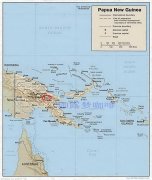
Organic coffee from Papua New Guinea
Organic coffee (Purosa Estate M10 JAS Organic) in Papua New Guinea the seeds of coffee from Papua New Guinea were introduced from Jamaica, Kenya, Tanzania and other countries more than 70 years ago in the 1930s. Formal planned cultivation since the 1950s; the main producing areas are Groca and Madha in the central mountains. This Polosa.
2014-08-08 Coffee knowledge Papua New Guinea Organic Coffee